
Hydration & Blood Sugar Insights
Explore our comprehensive collection of articles, guides, and resources on maintaining optimal hydration and blood sugar balance for better health and wellness.
The information on this site is for educational purposes only and does not constitute medical advice. Always consult a qualified healthcare professional before making health decisions.
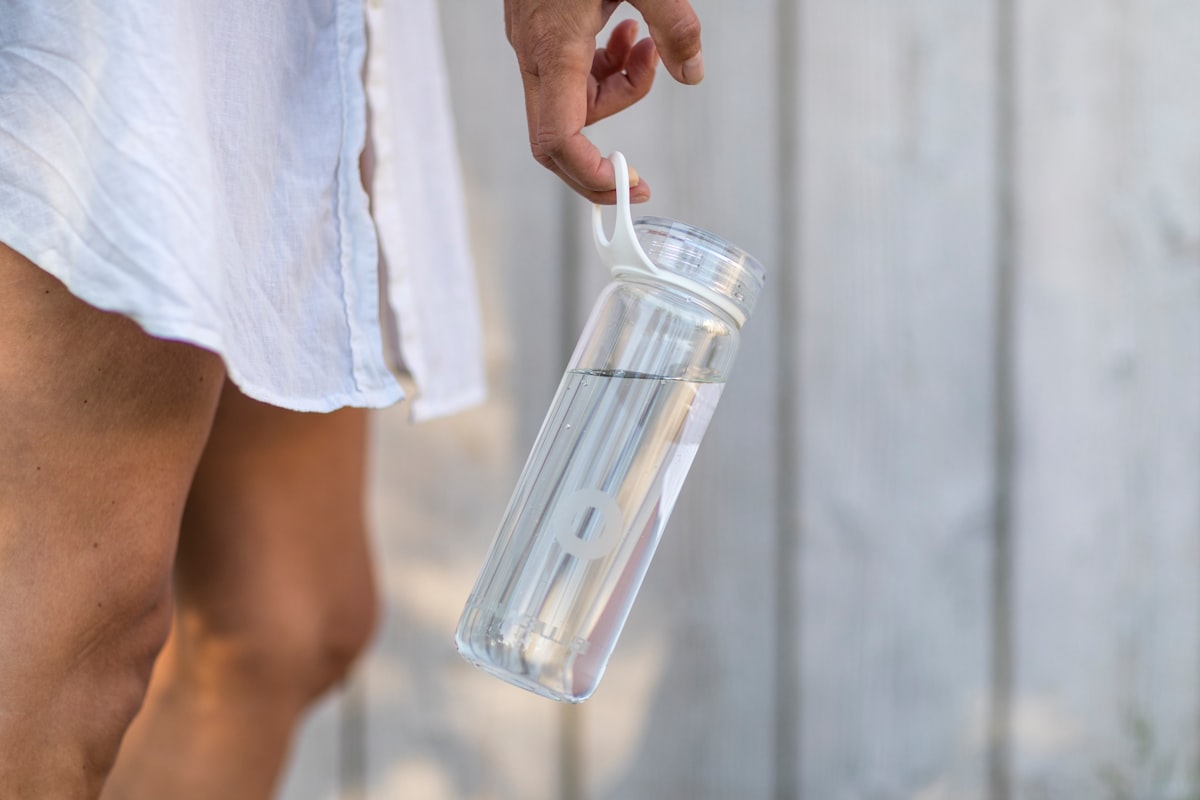
How Much Water Should You Really Drink Daily?
Discover the science behind daily water intake recommendations. Learn how proper hydration supports energy levels, cognitive function, and metabolic efficiency. Understand individual factors that affect your personal hydration needs and how to listen to your body's signals.
Read More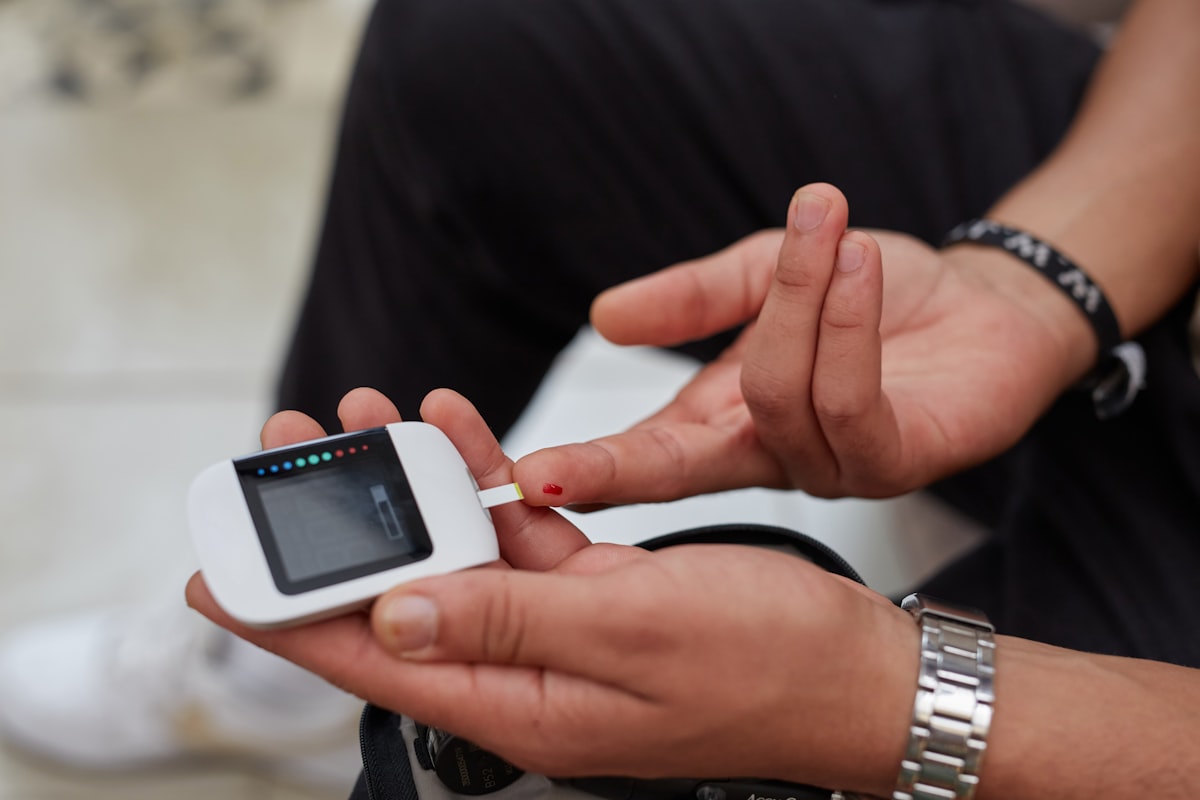
Understanding Blood Sugar Fluctuations Throughout the Day
Explore how blood glucose levels naturally rise and fall during your day. Learn what factors influence these patterns, why consistency matters, and practical strategies to maintain more stable levels. Understand the connection between hydration status and glucose regulation.
Learn More
Foods That Support Natural Blood Sugar Balance
Discover which foods help maintain steady glucose levels and why macronutrient composition matters. Learn about fiber, protein, and healthy fats as regulators of glucose response. Explore meal timing strategies and food combinations that promote stable energy throughout your day.
Explore
Movement & Exercise for Optimal Glucose Regulation
Learn how physical activity improves your body's ability to manage glucose naturally. Understand different exercise types and their varying effects on blood sugar response. Discover how movement timing can enhance your overall hydration and metabolic health.
Discover More
The Hidden Link Between Dehydration and Blood Sugar Spikes
Uncover the scientific relationship between water intake and glucose concentration in your bloodstream. Learn why proper hydration acts as a natural regulator of blood sugar levels. Understand how dehydration can amplify glucose fluctuations and impact your overall wellness.
Read Full Article
Electrolytes, Minerals & Their Role in Hydration
Explore the importance of sodium, potassium, magnesium, and calcium in maintaining proper hydration status. Learn how mineral balance supports both hydration efficiency and blood glucose management. Discover natural sources of electrolytes and optimal ratios for your individual needs.
Learn More
Sleep Quality's Impact on Glucose and Hydration
Discover how quality sleep supports your body's natural ability to regulate blood glucose and maintain hydration balance. Learn about circadian rhythms and their influence on metabolic processes. Explore evidence-based sleep practices that enhance overall wellness and energy stability.
Read Article
Stress, Cortisol, and Their Effects on Blood Sugar
Understand how chronic stress impacts your glucose regulation and fluid balance. Learn the connection between stress hormones and metabolic changes. Discover mindfulness, breathing techniques, and relaxation practices that support your body's natural regulatory systems.
ExploreFrequently Asked Questions
While the common recommendation is eight glasses (about 2 liters) daily, individual needs vary based on activity level, climate, age, and overall health. Factors like exercise intensity, body weight, and metabolic rate all influence your personal hydration requirements. Our article on daily water intake provides personalized guidance to help you determine your optimal level.
Proper hydration plays a significant role in glucose concentration and regulation. When you're dehydrated, glucose becomes more concentrated in your bloodstream, which can make levels appear elevated. Adequate water intake helps dilute glucose naturally and supports your kidneys' ability to filter and balance glucose levels. Learn more about this connection in our detailed article on dehydration and blood sugar spikes.
Yes. Foods high in fiber, protein, and healthy fats slow glucose absorption and create more stable blood sugar patterns. Complex carbohydrates, vegetables, nuts, and fatty fish are excellent choices. Meal timing and food combinations also matter significantly. Our nutrition guide explores evidence-based food choices and explains how macronutrient balance influences your body's natural glucose regulation.
Exercise enhances insulin sensitivity and helps your muscles use glucose more efficiently without requiring insulin. Both aerobic activity and resistance training improve glucose utilization. The timing of exercise relative to meals also impacts glucose response. Our lifestyle article on movement and exercise explains different activity types and their specific effects on glucose regulation.
Electrolytes like sodium, potassium, magnesium, and calcium regulate fluid balance within your cells and support proper hydration at the cellular level. Simply drinking plain water isn't always enough—your body needs these minerals to absorb and retain water effectively. Our mineral balance article explains optimal electrolyte ratios and natural food sources to support complete hydration.
Explore Our Complete Resource Library
Dive deeper into topics around hydration, blood sugar balance, nutrition, and lifestyle. Our editorial team has compiled evidence-based insights to support your wellness journey.